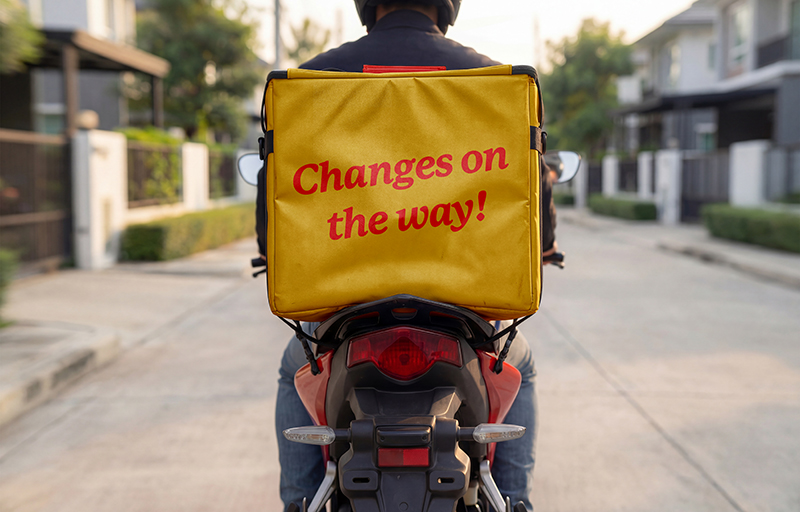
From 17 August 2026, eligible on-demand delivery workers in Australia will be covered by new minimum pay and workplace standards. The rules apply to certain “employee-like” gig workers who deliver food, drinks, alcohol or groceries through digital platforms. They introduce a minimum earnings floor for engaged delivery time, personal accident insurance and new rights around information, consultation and dispute resolution.
For people using delivery apps as a side hustle, the changes are important for two reasons: they can affect how much you earn while actively completing deliveries, but they do not remove your responsibility to correctly report your delivery income and claim only eligible tax deductions.
What is the new minimum pay for delivery drivers?
From 17 August to 31 December 2026, the minimum earnings floor for eligible workers is based on the type of vehicle used:
| Vehicle type | 17 Aug-31 Dec 2026 | From 1 Jan 2027 |
| Bicycle, e-bike, electric scooter or no vehicle | $31.30 per hour | $31.80 per hour |
| Combustion motorcycle or scooter | $31.50 per hour | $32.00 per hour |
| Other motor vehicle, including a car up to 1 tonne carrying capacity | $32.00 per hour | $32.50 per hour |
From 2028, the rates are intended to be adjusted annually in line with changes to the National Minimum Wage, unless the Fair Work Commission orders otherwise.
Does the new rate apply for every hour you are logged into a delivery app?
No. The minimum earnings floor is based on “engaged time”, not every minute a worker is logged into an app waiting for an order. Engaged time generally starts when a delivery job is accepted and ends when the delivery is completed.
A platform can assess earnings over an earnings period of up to 21 days. If an eligible worker’s earnings for their engaged time fall below the applicable minimum earnings floor, the platform must make up the difference in accordance with the order.
Who is covered by the delivery driver minimum standards?
The standards are aimed at certain employee-like workers who operate through digital labour platforms and perform on-demand delivery work that mainly involves collecting and delivering:
- food
- beverages
- alcohol
- supermarket groceries
This can include eligible workers using major food-delivery platforms such as Uber Eats and DoorDash. Coverage depends on the legal definition and the type of work being performed, rather than simply which app a person uses.
Workers using vehicles with a carrying capacity of more than one tonne are excluded from this particular on-demand delivery order.
What other protections do gig delivery workers receive?
The minimum standards extend beyond pay. Covered digital delivery platforms also have obligations relating to:
- providing a Gig Worker Information Statement
- keeping records of earnings, deductions and engaged hours
- consulting workers about certain significant changes that could reduce work opportunities
- establishing a platform feedback forum
- providing a right to unpaid time away
- providing specified information about work and earnings
- recognising workplace delegate rights
- providing a dispute-resolution process
- maintaining personal accident insurance that provides a reasonable minimum level of cover while covered workers are working through the platform
Do delivery drivers become employees under the new rules?
Not automatically. The Fair Work framework can provide minimum standards to certain “employee-like” workers even though they continue to work as independent contractors. Employment, contractor and tax classifications depend on the relevant legal tests and the worker’s circumstances.
What costs do delivery drivers still need to pay?
Covered delivery workers generally remain responsible for many of the costs of operating their side hustle, including buying or leasing a vehicle, registration, maintenance, repairs, fuel, licences, permits and required compulsory third-party vehicle insurance.
Because these costs can materially affect the true profit from delivery work, drivers should keep clear records of both their platform income and their eligible work-related or business expenses.
What do the new rules mean for delivery driver tax?
The Fair Work changes do not make delivery-app income tax-free. Income earned through food-delivery apps generally needs to be reported for tax purposes. How you report it depends on whether you are treated as an employee or an independent contractor for tax purposes.
If you work as an independent contractor, you will generally need an ABN. If your GST turnover reaches $75,000, GST registration can also become relevant. This is different from ride-sourcing, where separate GST rules apply.
Eligible expenses may be deductible where they relate to earning your delivery income, you have not been reimbursed, any private portion is excluded and you keep the records required to support the claim. Depending on your circumstances, this can include eligible vehicle costs, platform fees or commissions, phone costs and other expenses directly connected with the work.
What should delivery drivers do before the new standards start?
- Check whether your delivery work is covered by the new minimum standards order.
- Review how your platform defines and records engaged time.
- Keep platform statements showing delivery income, deductions and hours.
- Keep records of eligible vehicle and other delivery-related expenses for tax purposes.
- If you are operating as a contractor, make sure your ABN and GST position are correct for your circumstances.
Frequently asked questions
How much is the new minimum pay for delivery drivers in Australia?
From 17 August to 31 December 2026, the minimum earnings floor starts at $31.30 per hour of engaged time for bicycles, e-bikes, electric scooters and workers using no vehicle; $31.50 for combustion motorcycles or scooters; and $32.00 for other eligible motor vehicles up to one tonne carrying capacity.
Does the $31.30 minimum apply to all Uber Eats and DoorDash drivers?
Not necessarily. The order covers defined employee-like workers performing qualifying on-demand delivery work. Coverage depends on the work and legal criteria, not simply the name of the app. We do expect to see both Uber eats and DoorDash implement these standards. Keep in mind that the minimum is for time working, not waiting. You have to have accepted a job to “start the clock”.
Is logged-in time the same as engaged time?
No. Engaged time generally runs from accepting a delivery job until completing that job. The minimum earnings floor is calculated by reference to engaged time.
Do delivery drivers still have to pay tax?
Yes. The new minimum standards do not remove tax obligations. Delivery-app income generally needs to be declared, and the correct treatment depends on whether the worker is an employee or contractor for tax purposes.
Can delivery drivers claim tax deductions?
Potentially. Eligible expenses can generally be claimed only to the extent they relate to earning assessable income, were not reimbursed and are supported by appropriate records. Private use must be excluded.
The bottom line
For Australians using food and grocery delivery apps as a side hustle, the new minimum standards are a significant change. Eligible workers gain a minimum earnings floor for engaged delivery time, improved transparency, personal accident insurance and additional workplace protections while retaining much of the flexibility associated with gig work.
The other side of the equation is tax. Higher or more predictable delivery earnings still need to be reported correctly, and keeping good expense records can help ensure you claim the deductions you are legitimately entitled to.
Authoritative sources
- Fair Work Commission – On-demand delivery minimum standards case: https://www.fwc.gov.au/hearings-decisions/major-cases/minimum-standards-orders-ms20241-ms20242-ms20243
- Fair Work Ombudsman – Employee-like workers: https://www.fairwork.gov.au/find-help-for/independent-contractors/regulated-workers/employee-like-workers
- Australian Taxation Office – Working for a food delivery app: https://community.ato.gov.au/s/article/a079s0000009GmyAAE/working-for-a-food-delivery-app
- Australian Taxation Office – Deductions you can claim: https://www.ato.gov.au/individuals-and-families/income-deductions-offsets-and-records/deductions-you-can-claim